Eating with the Seasons: Why Autumn Produce Boosts Body and Mind
We really are what we eat—if you want a healthy body and mind, quality nutrients are the key. That’s old wisdom: after all, Hippocrates, the so-called father of medicine, already said back in the 5th century BC,
« Let food be your medicine, and let medicine be your food. »
Luckily, autumn fills our plates with delicious seasonal fruits and veggies.
« It marks the beginning of citrus season, especially clementines, as well as kiwis, » explains nutritionist Raphaël Gruman. « These fruits are rich in vitamin C, which gives a lift to your mood and helps strengthen your immune system. Realistically, just one kiwi and two clementines each day will cover your daily vitamin C needs. »
Another seasonal star? Grapes!
« Grapes are loaded with antioxidants, » adds the nutritionist. « They contain resveratrol, which boosts immunity by fighting free radicals that cause fatigue, and helps combat aging too. »
Don’t forget autumn’s superstar vegetables, flaunting all the colors of the season:
« Orange veggies like squashes—think butternut or red kuri pumpkin—are packed with beta-carotene, which brightens your complexion and are also high in vitamins and fiber. They’re easy to prepare, low in calories, and big on flavor, perfect for comforting soups, »
says Gruman. For a fully healthy plate,
« black radish helps detoxify the liver, and leafy green veggies, like broccoli and spinach, support eye health and can help prevent age-related macular degeneration, »
he says.
When Winter Time Is the Real Body Clock Booster
You probably noticed: this Sunday, at 2:00 am, clocks fall back to 1:00 am—so yes, night falls around 5:00 pm. If it were up to most of us, we’d stick to endless summer evenings. A widespread wish surfaced during a 2019 European consultation on ditching daylight saving time: in France alone, over 2.1 million people responded. While 84% favored scrapping the time change, 59% voted for permanent summer time, versus 37% for winter time.
« They took the question as, ‘Do you prefer winter or summer?’ And of course, everyone prefers summer, » said Dr. Claude Gronfier, neurobiologist, Inserm research director in Lyon and president of the Francophone Chronobiology Society, in an interview with 20 Minutes newspaper. « But people forget that natural daylight cycles mean the sun always sets about five hours earlier in winter and five hours later in summer, regardless of the clock. »
The fact is,
« animal and plant life developed according to sunlight. The ideal time, from a chronobiology point of view, is solar time—which isn’t even what we live by, since we’re on GMT+1 and even GMT+2 in the summer. This creates a two-hour ‘social jet lag’: our biological rhythms and activity schedules are misaligned, »
Gronfier noted. This mismatch
« disrupts our circadian rhythms. »
In plain English: winter time lines up better with our internal clocks. As the sunlight fades, melatonin—the sleep hormone—kicks in and we tend to drift off earlier. Summer schedules, by keeping us up later, just dig our sleep debt deeper. For our health, sticking to winter time is actually best.
Autumnal Colours & Their Soothing Magic
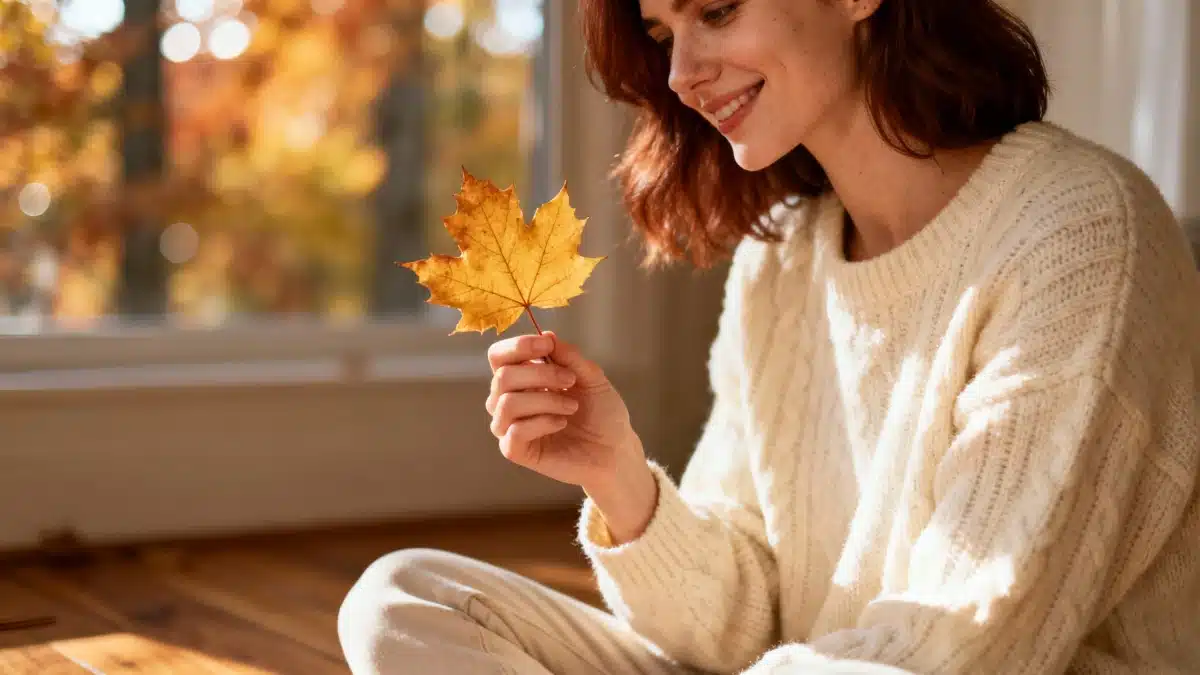
Here’s another autumn bonus: trees light up in a palette of ochre, red, orange, and brown—warming, comforting hues. Even a walk through fallen leaves can offer the same calming benefits as a meditation session.
« There are primal mechanisms in how we react to colours, and autumn shades do have an effect on us, » says Florence Servan-Schreiber, author of ‘3 Good Things a Day’ and expert in positive psychology. « We’re very sensitive to the colour of the sky; that powder-blue brings joy. The green of nature soothes us and signals abundance. Autumn’s palette marks the season’s change and a transition to a calmer, more inward-looking period. »
Slow Down, Recenter, Reconnect
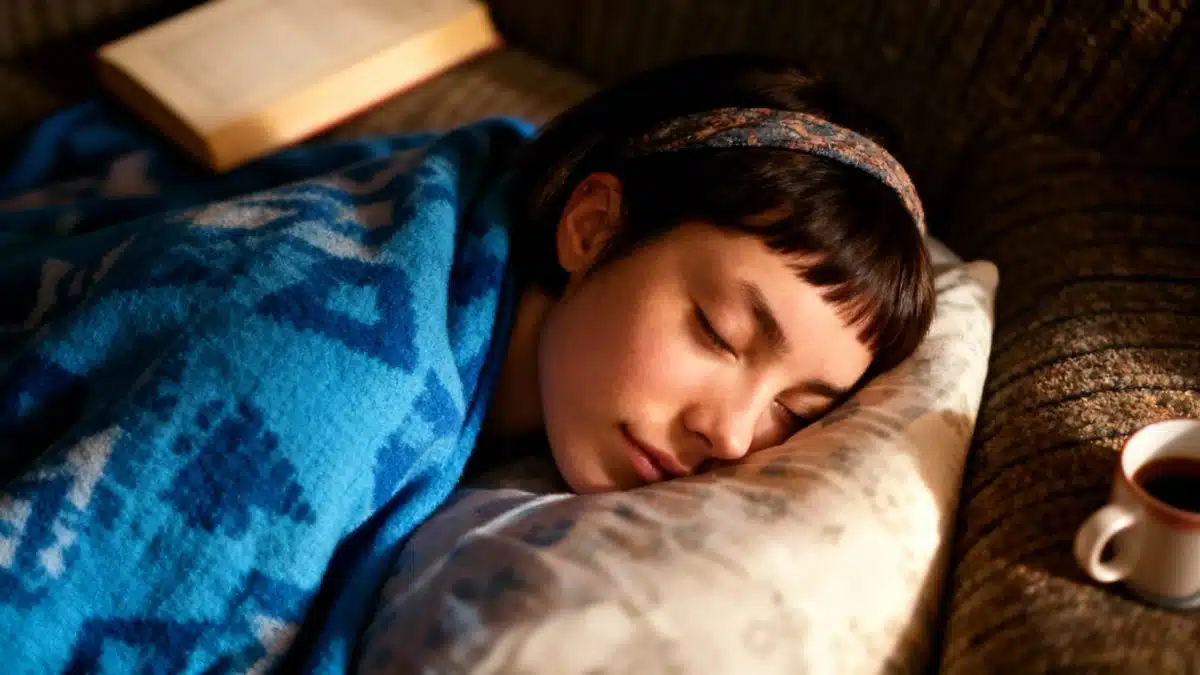
Calm and reflection—those are autumn’s watchwords, a time when we lean into our laziness (with zero guilt) and turn attention back on ourselves.
« It’s a time when we openly allow ourselves to slow down, »
says Florence Servan-Schreiber.
« Spring and summer are packed with activities and socializing late into the day. But autumn darkness shifts our rhythm; we focus on quieter, more comforting things. When the days are shorter, there’s much less ‘FOMO’—that fear of missing out—and much more desire to just relax and unwind at home. »
At this time of year,
« we choose more of what brings us satisfaction—taking time to read, cooking delicious meals, heading out to the movies more often, »
she adds.
« That doesn’t mean we’re going into hibernation or isolating ourselves! Autumn’s the season to care for your soul, do what you love, and spend time with people who bring comfort and friendship. »

John is a curious mind who loves to write about diverse topics. Passionate about sharing his thoughts and perspectives, he enjoys sparking conversations and encouraging discovery. For him, every subject is an invitation to discuss and learn.