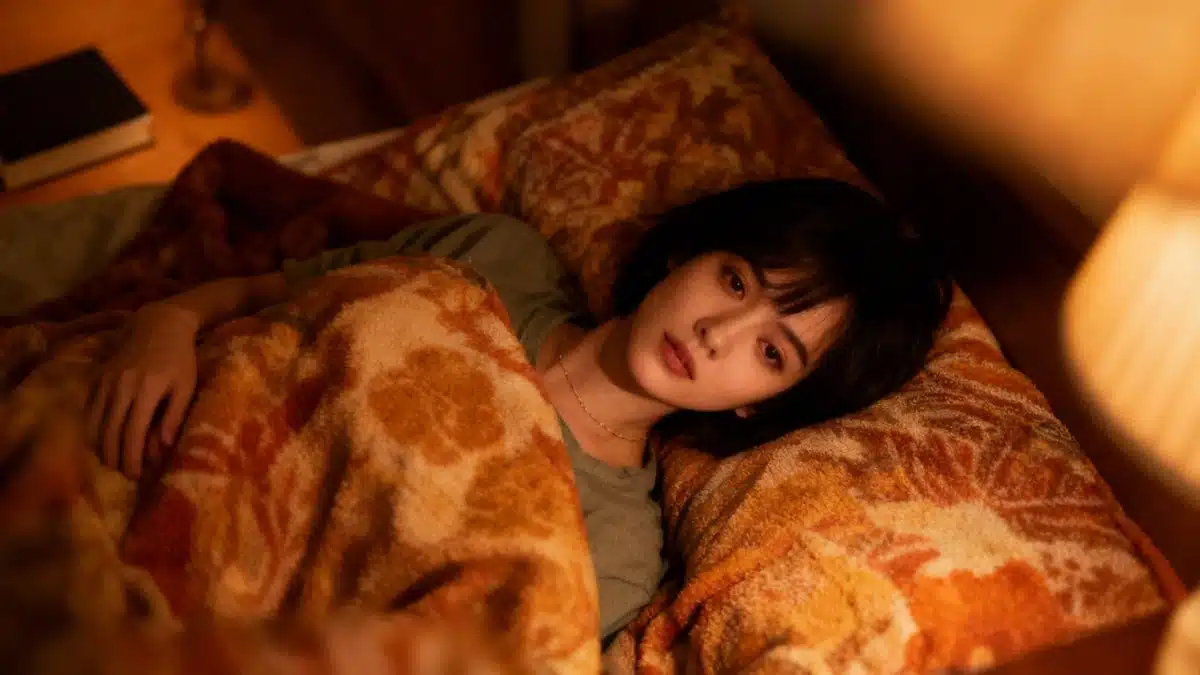
Let’s face it: we humans are daytime creatures with a desperate need for a good night’s rest. Our minds and bodies run on a simple recipe—activity during the day, recovery at night. But what happens when the night doesn’t deliver? As we age, those precious hours of sleep can become… underwhelming, and yes, there’s a really simple fix that often gets ignored. Intrigued? You should be—because quality sleep is about more than just not yawning at brunch.
Why Sleep Matters—At Any Age
Today, it’s crystal clear: sleep is involved in a whole bunch of crucial physiological processes. Think cell and tissue regeneration, brain and immune system development, and even memory consolidation. Lose out on sleep and you’re asking for trouble—more memory lapses, less attention, groggy days, and, let’s admit it, a shorter fuse. Chronic poor sleep? That’s a fast track to increased anxiety, irritability, greater susceptibility to illness, and even weight gain.
How Sleep Evolves With Age
Sleep isn’t a one-size-fits-all deal. It comes in cycles, each with distinct phases:
- Light slow-wave sleep: This is a halfway house between quiet wakefulness and full sleep, making up about 50% of your total sleep time.
- Deep slow-wave sleep: This is the real restorative stuff, physically speaking, and takes about 25% of the night.
- REM (paradoxical) sleep: The land of dreams—20-25% of our night—when your brain buzzes with activity but your muscles are switched off, like an internal power-saving mode.
Each of these stages plays a specific role in helping us recover and gear up for the next day. But here’s the catch: as we get older, the organization and quality of these sleep phases change. For younger adults, the progression through these stages is pretty smooth. But for older adults, sleep gets choppier:
- It takes longer to fall asleep.
- Deep slow-wave sleep gets scarcer; you wake up more in the night and it’s harder to nod back off.
- Your sleep becomes lighter, less restorative, and you spend less time dreaming.
It’s no wonder that more than half of seniors report at least one sleep disorder—and all that unfinished rest adds up. Daytime drowsiness, dips in mood and cognitive function, and less physical vitality are just a few consequences—and for some, it can even mean losing a bit of independence.
The Domino Effect: Causes and Risks of Poor Sleep in Older Adults
Don’t shrug off chronic lack of sleep; its effects are numerous and not at all pleasant:
- Persistent fatigue
- Trouble concentrating
- Moodiness or even depression
- Increased irritability
- Weakened immune systems
Health issues can play a role—certain medications can wreck your sleep, and emotional states like anxiety, stress, depression, or a racing mind at night (“rumination,” for the insomniac lexicon) do their part too. Changes in your social routines after retirement or less physical activity (hello, Netflix marathons) can make things worse. As we age, our circadian rhythm—the biological clock—can fall out of sync, meaning earlier bedtimes and even earlier wake-ups. The risk of sleep disorders like obstructive sleep apnea also rises with age.
Here’s where many turn to sleeping pills. But beware: these can bring unwanted side effects, such as dulled mental sharpness, worsened motor coordination, and a higher risk of falls.
The Simple Fix You’re Ignoring: Light, Exercise, and New Frontiers
Good news! There are non-medication options that can truly help, and yes, most people overlook them. First up: light therapy. Light is the most powerful synchronizer for our body clocks, helping set and reset our sleep-wake rhythms. Not only does it tell us when to sleep and rise, but it also keeps the rhythms of our mood and cognitive performance ticking along. Depending on time of day and last night’s sleep, you might find yourself irritable or—if luck’s on your side—alert and focused.
If the body clock gets knocked out of sync (which aging tends to do), these rhythms become disrupted, affecting mood and brain power. Luckily, studies show that daily exposure to sunlight or bright artificial light helps. Benefits include:
- Better sleep-wake cycles
- Improved mood, less depression
- Sharper cognitive function and emotional well-being
- Boosted immune defense (more natural body shields—who doesn’t want that?)
If you want to see real results, get outside for at least 30 minutes every morning—or bask under a special 10,000 lux light lamp. For reference, full sun can reach 50,000–100,000 lux, while a cloudy sky hovers at 500–25,000 lux. And if you use artificial light, be sure your gear is up to snuff.
Light therapy isn’t just for insomnia. It’s used for adjusting to jet lag, night shifts, delayed or advanced sleep phase syndrome, even for those who are visually impaired. But timing is critical—expose yourself at the wrong hour, and you might actually mess up your sleep more. Also, people with certain eye conditions or on photosensitive medications should seek medical advice first.
Let’s not forget physical activity. Everyone knows it’s good for your heart, immune system, and mood, but not everyone realizes it also boosts sleep. Exercise helps get your sleep-wake cycle back on track, accentuating the difference between the active day and restful night. Plus, exercising gives you the right kind of fatigue and reduces anxiety—which means fewer racing thoughts when your head hits the pillow.
In general, older adults who engage in aerobic exercise (like brisk walking, swimming, cycling, hiking—anything that leaves you pleasantly winded) report falling asleep more easily, sleeping longer, and enjoying higher quality sleep. The World Health Organization actually recommends a minimum of 150–300 minutes of moderate-intensity aerobic activity each week for seniors. Consider it doctor’s orders, with bonus points for fun social interactions (and maybe a bit of healthy competition).
For those interested in science frontiers, the vestibular system, nestled in the inner ear, helps us sense head movements and orientation. Artificial stimulation (with a mild electric current—don’t try this at home) has already shown positive effects on balance, mood, and sleep—all challenges as we grow older. While more research is needed, the prospects look promising for a new generation of therapies.
But for now, the most effective (and safest) steps to better sleep are already within reach: make sure you get plenty of bright light in the morning and stay active—at any age. If sleep still proves elusive, don’t hesitate to seek your doctor’s advice. They may recommend further testing, psychotherapy, or check for possible sleep disorders. Sweet dreams!

John is a curious mind who loves to write about diverse topics. Passionate about sharing his thoughts and perspectives, he enjoys sparking conversations and encouraging discovery. For him, every subject is an invitation to discuss and learn.